What is an AGI
People ask "What is an AGI"? An AGI is just an acronym for "Above Ground Installation", it’s a cover all for any part of the pipeline installation that is above ground. Ranging site offices to small isolating valves, pumping stations, connection stations and compressor installations with local storage tanks for CO2 (gas or liquid)
| This section shows what I believe to be the different types. I am no expert but my research has led to this. | |
|---|---|
|
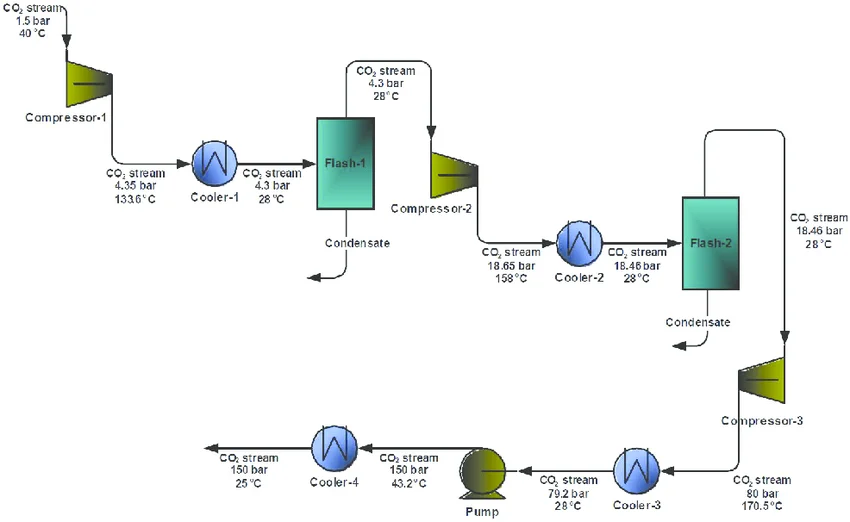
This is what Peak Cluster have released in a FactSheet of what they intend to force upon us and our coast line. The diagram opposite shows the “flow path” of CO2 from capture to insertion into the storage area (seabed in our case). NOTE: The temperatures and the pressure at each stage. The temperatures are a normal effect of compression but as you see due to the pressure these temperatures are really high. |
|
|
|
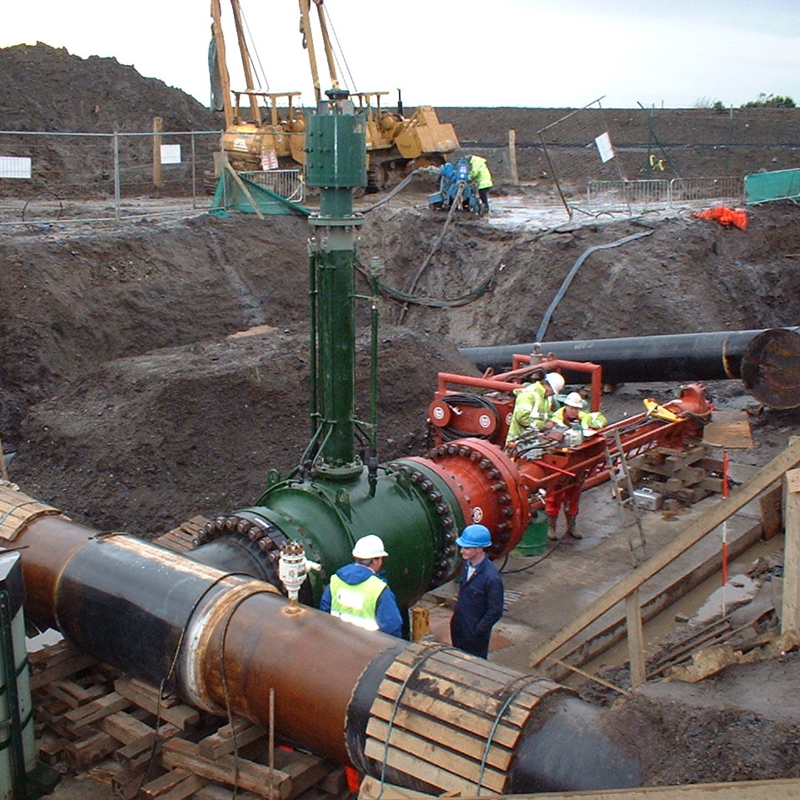
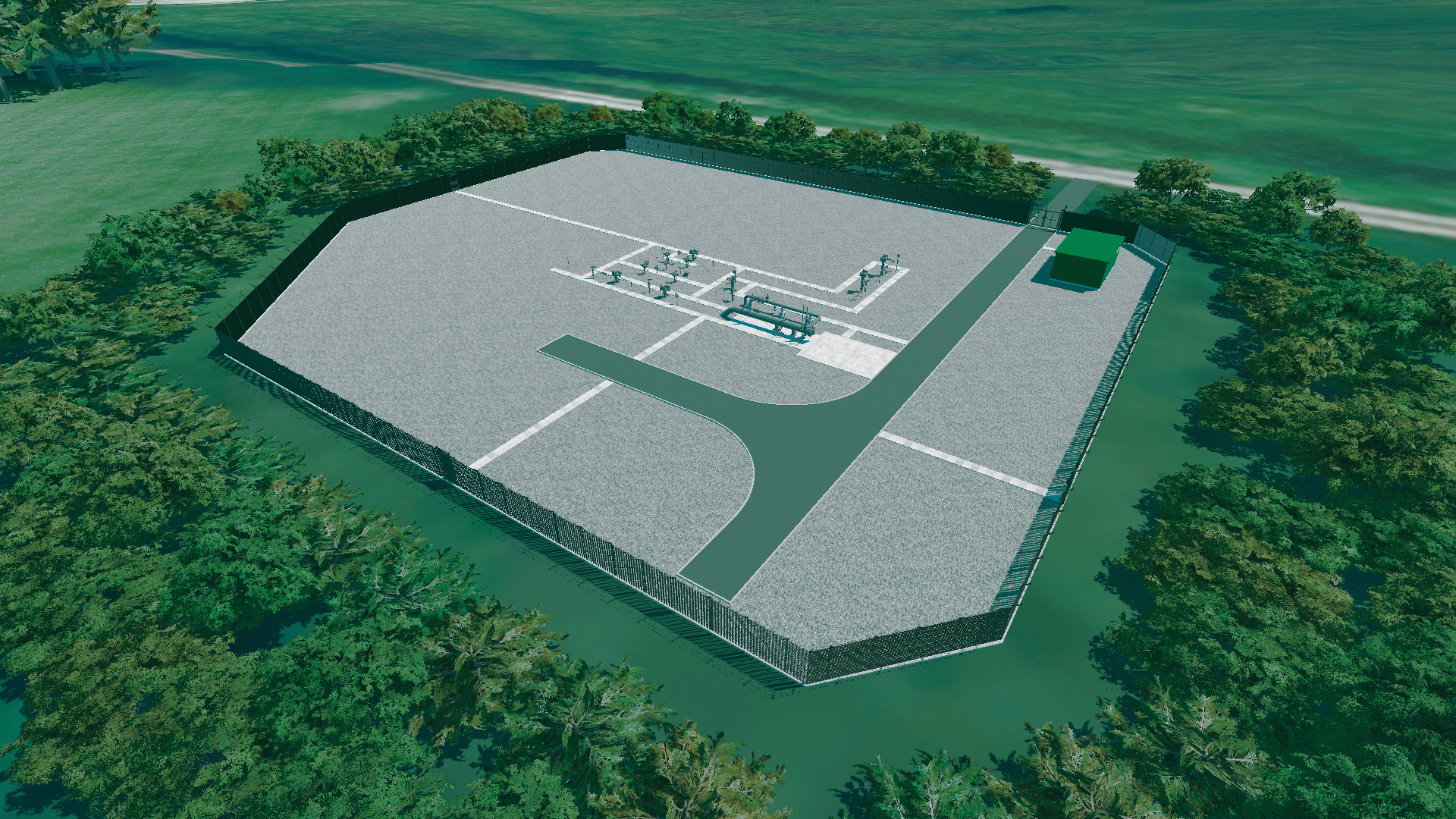
The above pictures show a "Block Valve" used to isolate sections of the pipeline in case of issues or routine maintenance. Access roads would need to be constructed to allow large vehicles access to the area for service or supply of replacement equipment. |
|
|
|
|
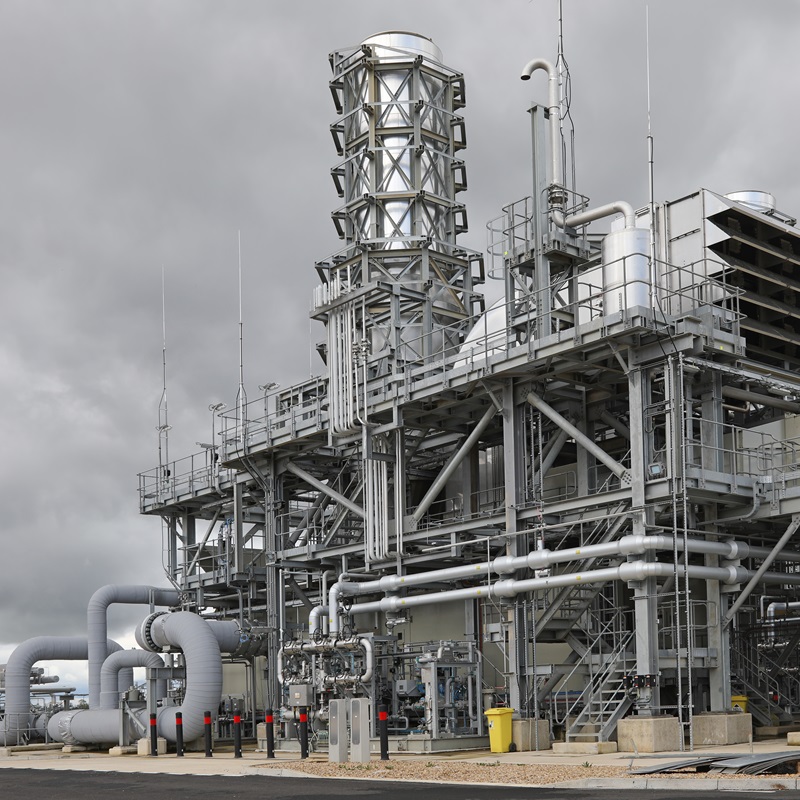
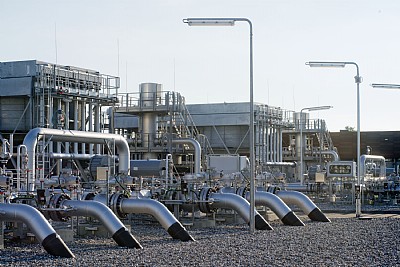
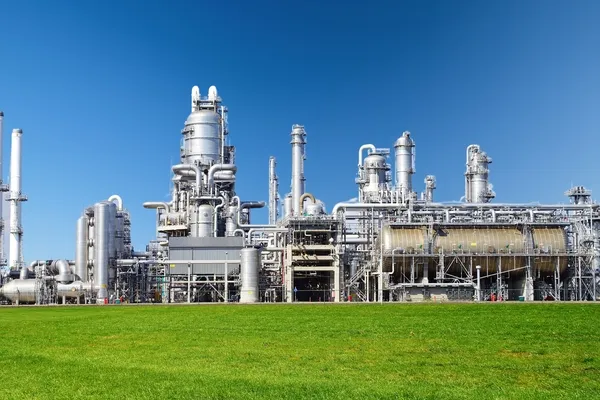
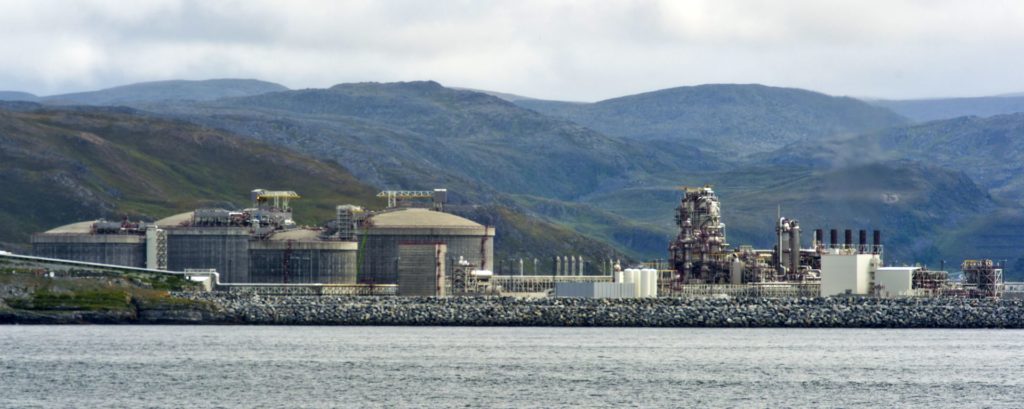
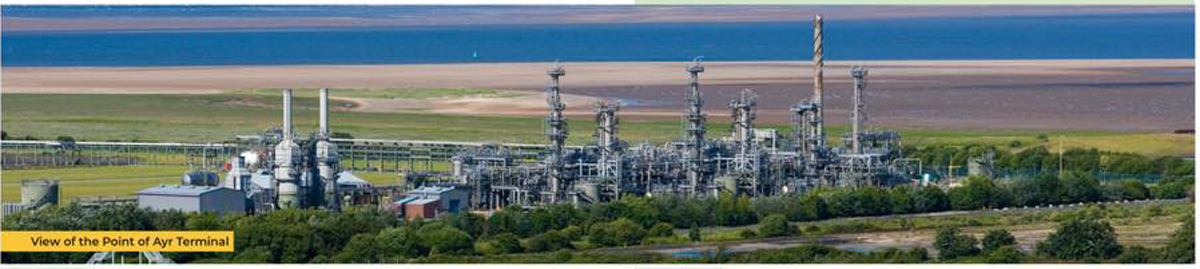
The pictures above and below are the larger sized AGI constructions used for gas compression, local storage and pumping etc. These type of
constructions would also be used as "connector sites" where several pipelines from different locations join together for pumping to the final storage area. Compressor sites need large local storage tanks to store CO2 so the compressor can use this to add to the pipe CO2 in order to compress it. To compress somthing you need extra to maintain the volume to fill the pipe. Compression by itself will only make it smaller. |
|
|
|
|
|
The details below are from Peak Clusters Peak Cluster Project Guide
The proposed project is to include several types of AGI. These include:
The Coastal AGI
Block Valve Stations
Block Valve Stations (BVS) will enable us to isolate specific pipeline sections to ensure safety when carrying out maintenance or to prevent danger in the unlikely event of an emergency. Early detection systems installed along the pipeline will continuously monitor for potential faults and can pinpoint their location. If an issue is detected, the relevant block valve can be remotely operated to isolate the affected section, ensuring safety and minimising disruption. We will build BVS at regular intervals along the pipeline.