This pipeline will scar our countryside forever!
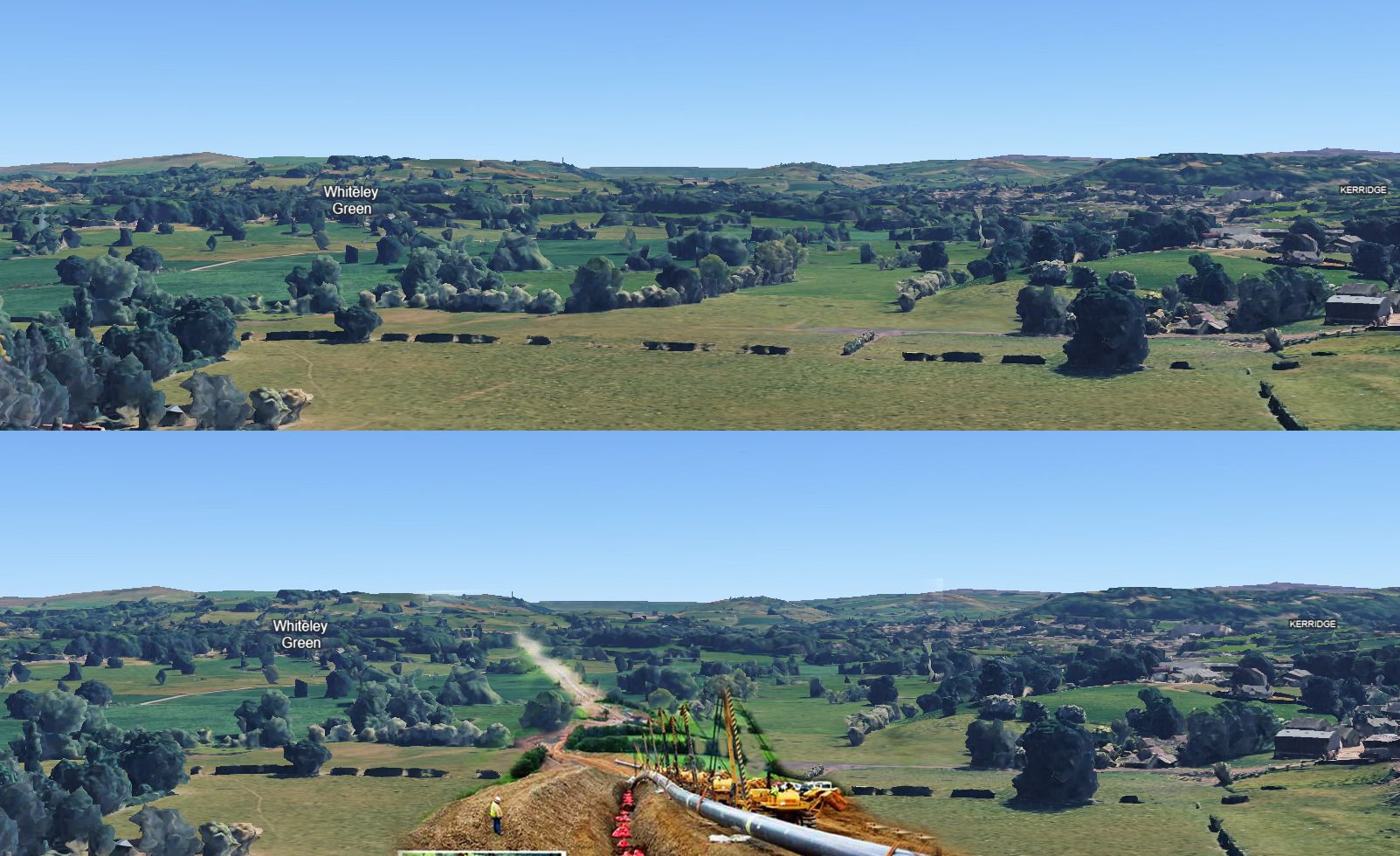
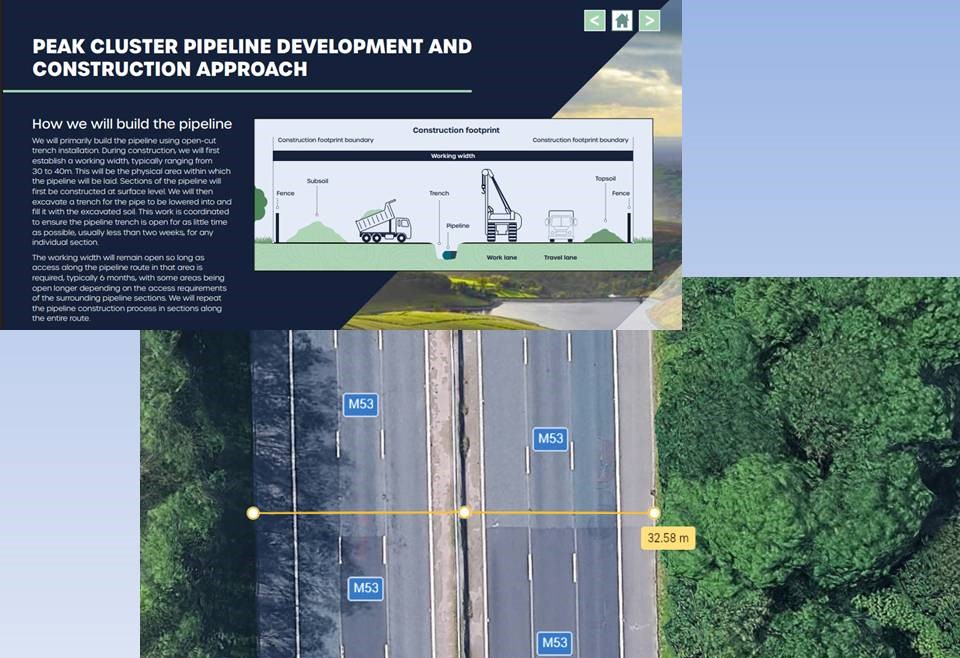
This underground pipeline will transport captured carbon dioxide from industrial sites in the Peak District and Staffordshire to undersea storage. This pipeline project will create an ecological scar the width of another M53 Motorway right down the middle of the Wirral Peninsula and across Cheshire and into Derbyshire. Even after completion the evidence will still be visible, where trees, hedges, deep footed walls once stood; large gaps will remain. Deep rooted trees and hedges will not be allowed to be "replanted" as the roots or foundations will not be allowed to encroach on the pipeline to prevent damage
|
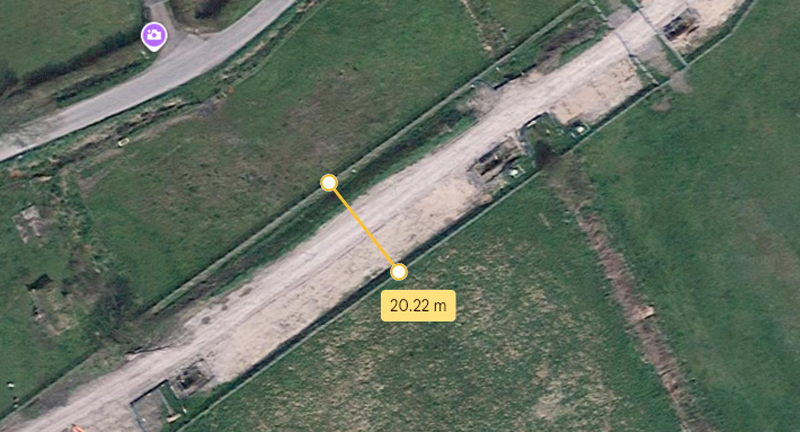
The pipeline construction site requires a working corridor roughly 30 meters wide, (According to Peak Cluster and Butcher & Barlow LLP). Quote: "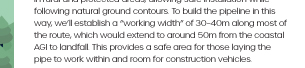
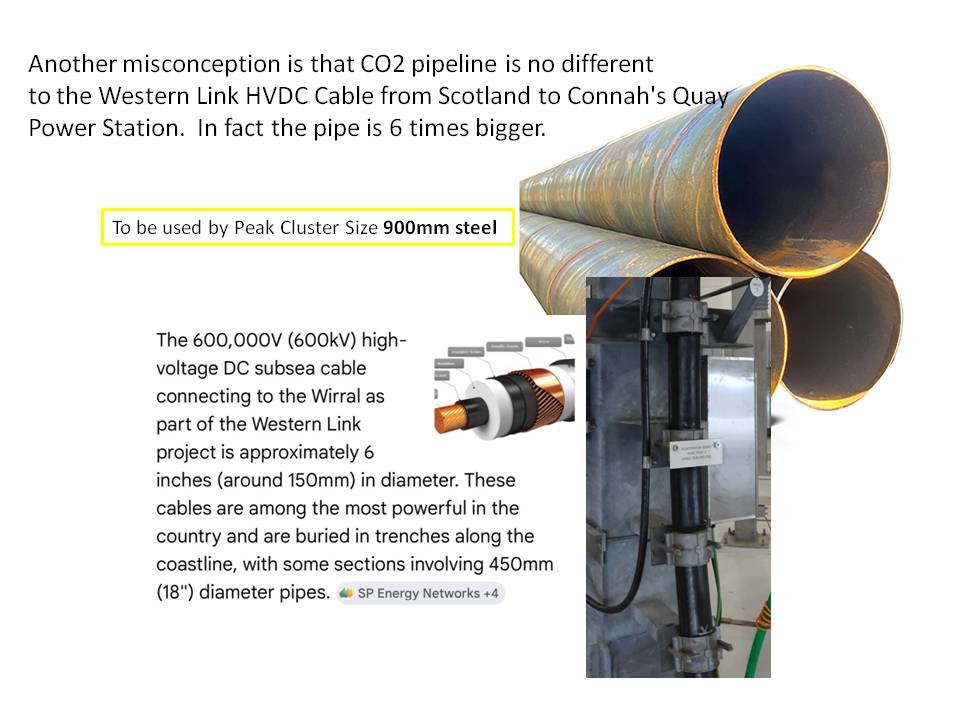
The Peak Cluster CO2 pipeline is designed with a diameter of approximately 24–36 inches (61–91 cm), 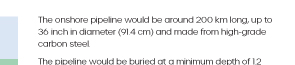
|
|
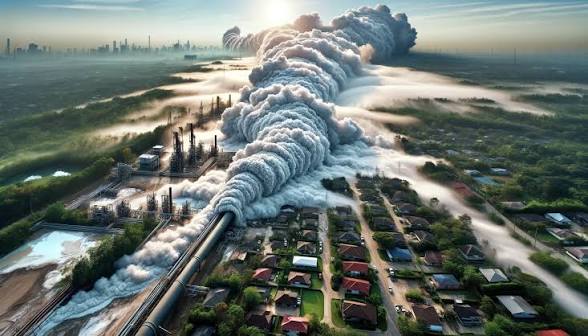
|
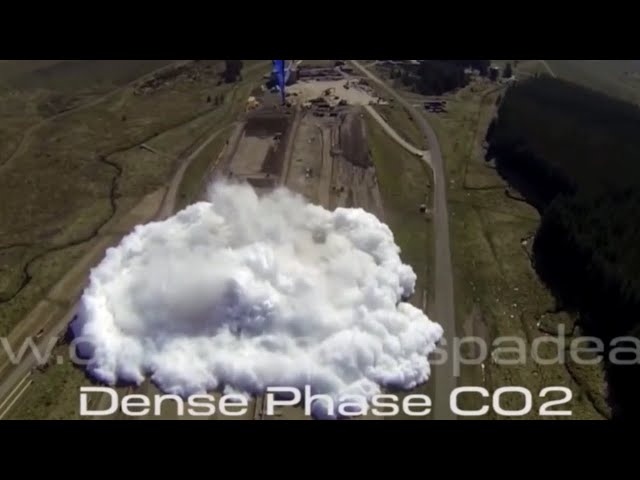
|
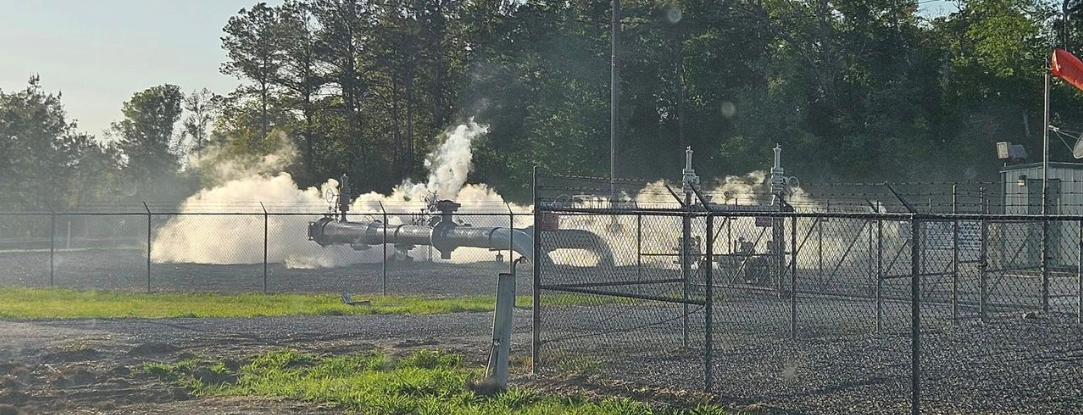
|
|
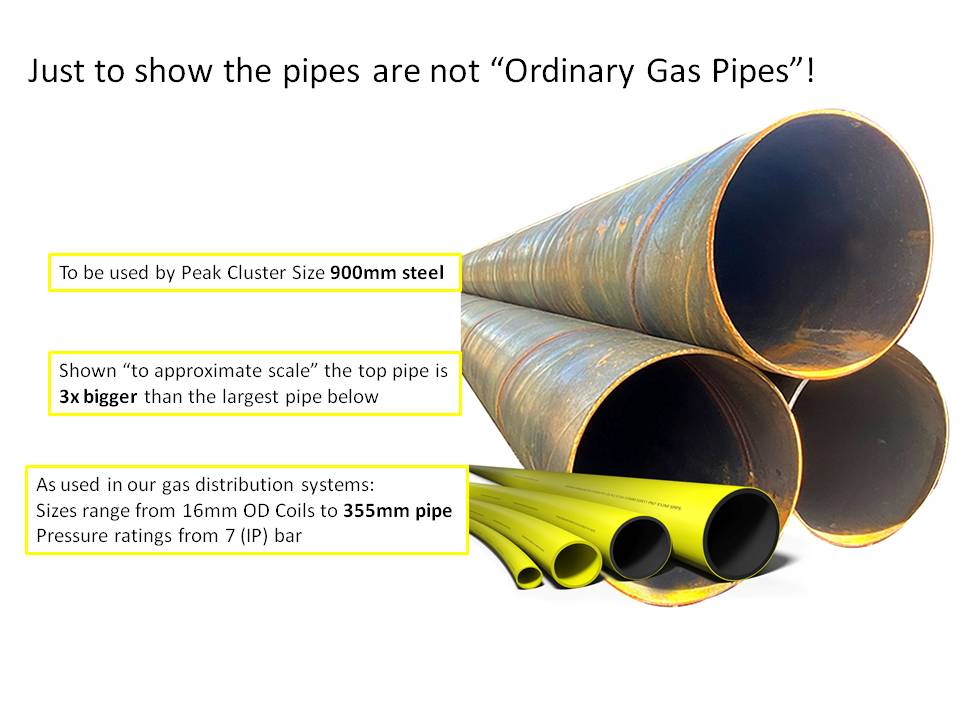
I hear a lot of people saying about the pipeline itself, "it's only a gas pipe and there are lots underground already". Well, this is not an ordinary gas pipe as you see being used to replace gas mains down local roads, just look at the dimensions:
As already mentioned above:
So I created this image below to show the CO2 pipe size are considerably larger than the pipes we see CADENT using to replace our aging network of pipes for domestic gas supply.
|
|
So as you see the Peak Cluster CO2 pipe at its largest size is almost over twice the diameter of our domestic gas distribution pipes! So it's not just another gas pipe!!
This why such a huge work area is needed creating such destruction to the countryside and the environment!

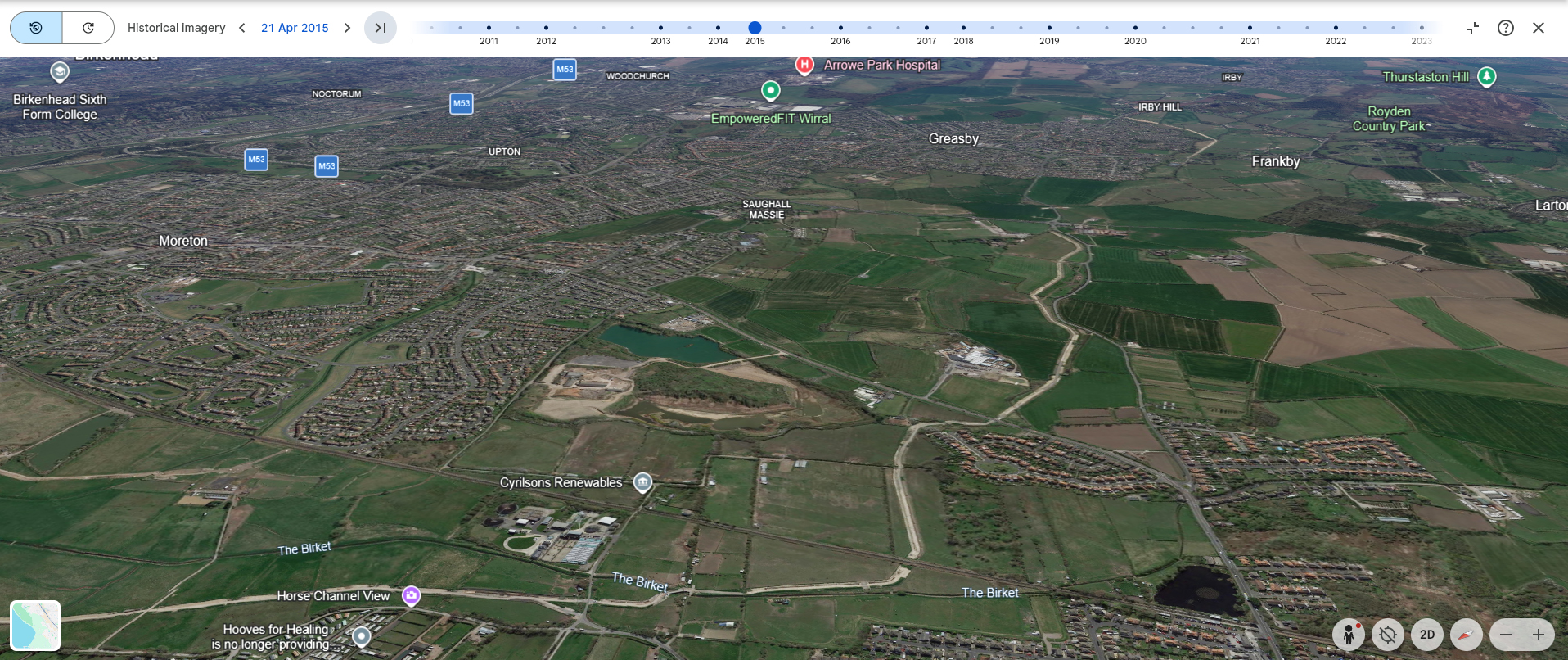
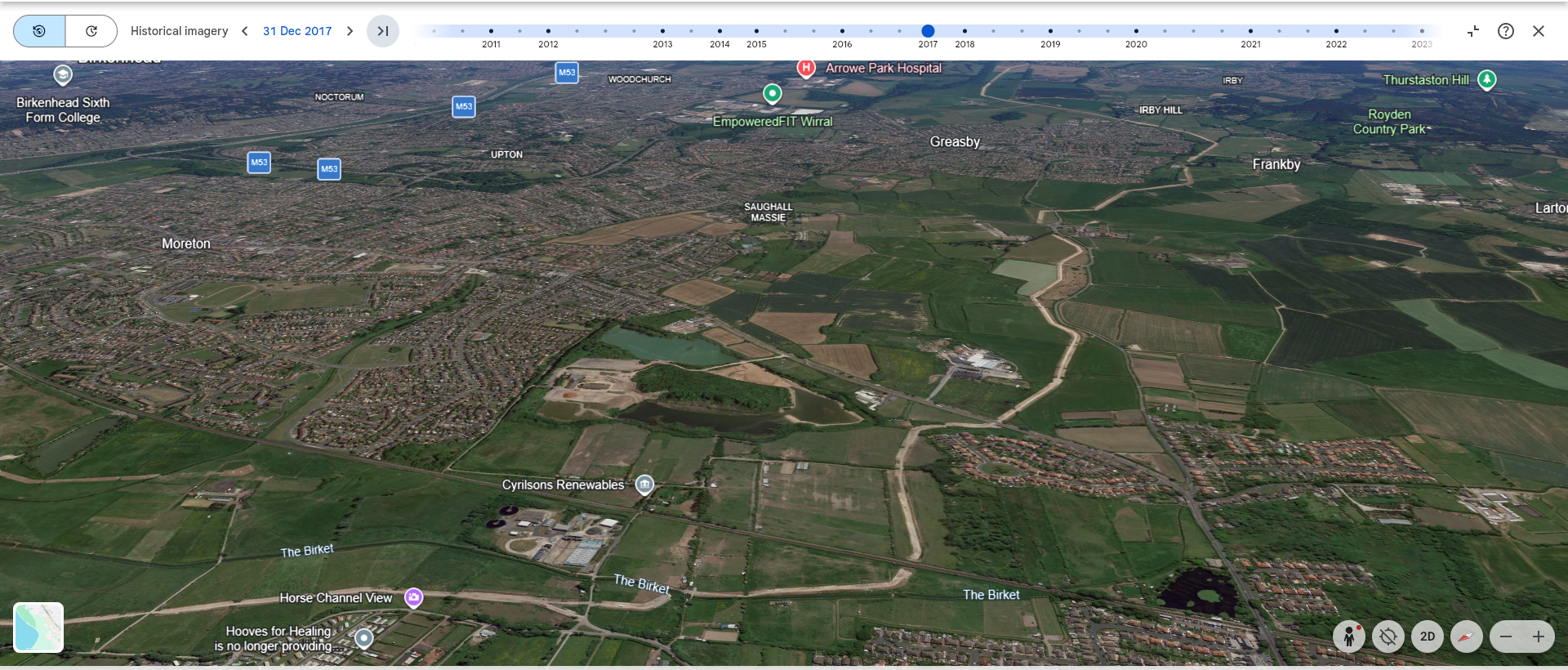
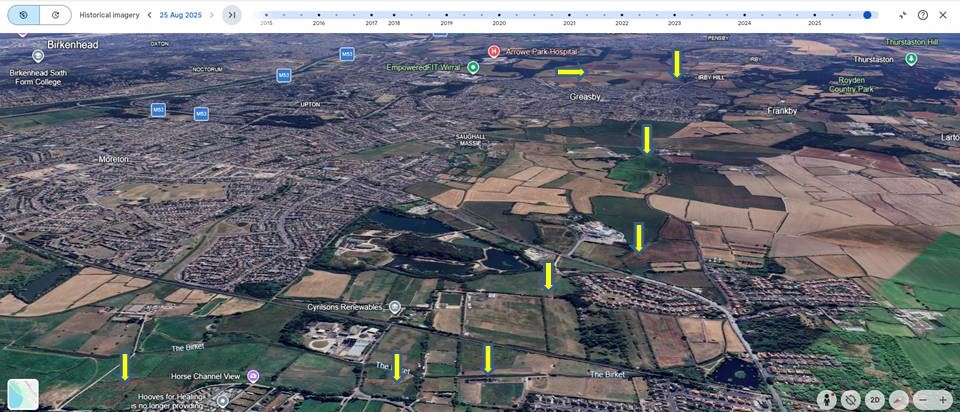
Some have been saying this pipeline will not leave a scar across the counryside. Below is a set of pictures from Google Earth of part of the path of the HVDC cable from Scotland to Connars Quay, Wales. This cable is a lot smaller than the 3 foot diameter steel pipe (see above) at just 1.5 metres underground. Notice this small cable in comparison still shows ground disturbance 10 years on.